.png?width=170&height=44&name=MillerZell_Outline_Black_NO-Tagline_CLEAN-01%20(1).png "Miller Zell")














“Localization” is a widely used term in retail store development. That general acceptance can become a problem, however, as more than a few retail designers see it as an easy box to check with a couple of standardized decorative elements and city/town-specific graphics.
Visually engaging elements that note regional sentiments are part of localization, of course. But a more effective, holistic execution leans into a shopping experience integration within a community that uplifts your brand by intertwining with customers’ wants, needs, delights and emotions.
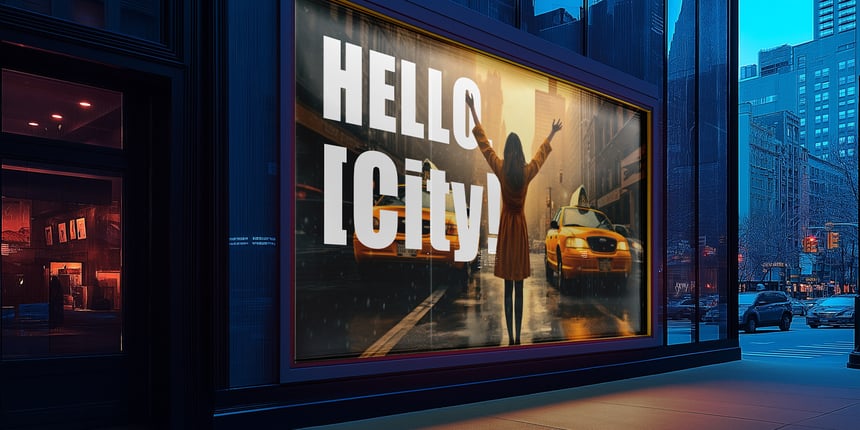
Yes, we know that sounds like a lot, and that a mural that says, “Hello [City]!” seems a lot easier. So, let’s explore what distinguishes our idea of strategic localization versus decorative localization.
In this blog, we'll discuss:
1. Localization as strategic customer engagement
2. Localization as part of brand identity
3. Scalable retail design systems
4. And, yes, we know localization circles back to ROI
Localization as strategic customer engagement
At its core, localization is a commitment to understanding customers.
Customers don’t experience your brand in the abstract. They experience it in real places, shaped by local culture, habits, values and expectations. When a store feels generic or disingenuous, many customers sense it.
Conversely, when a retail environment reflects the rhythm of its neighborhood, customers feel seen. That sense of recognition builds emotional connection, trust and, ultimately, loyalty.
This is where retailers can move beyond “local flair” and toward community storytelling. Relevant murals and signage are Point A, but meaningful storytelling requires purposeful focus.
As in:
- What defines your store’s region? History, individuals or annual events?
- What about seasonal distinctions? The retail approach to Phoenix in February is different than Buffalo, for example.
- What about lifestyle, behaviors and accents?
- What about local products or local materials?
- Sports teams, institutions or universities?
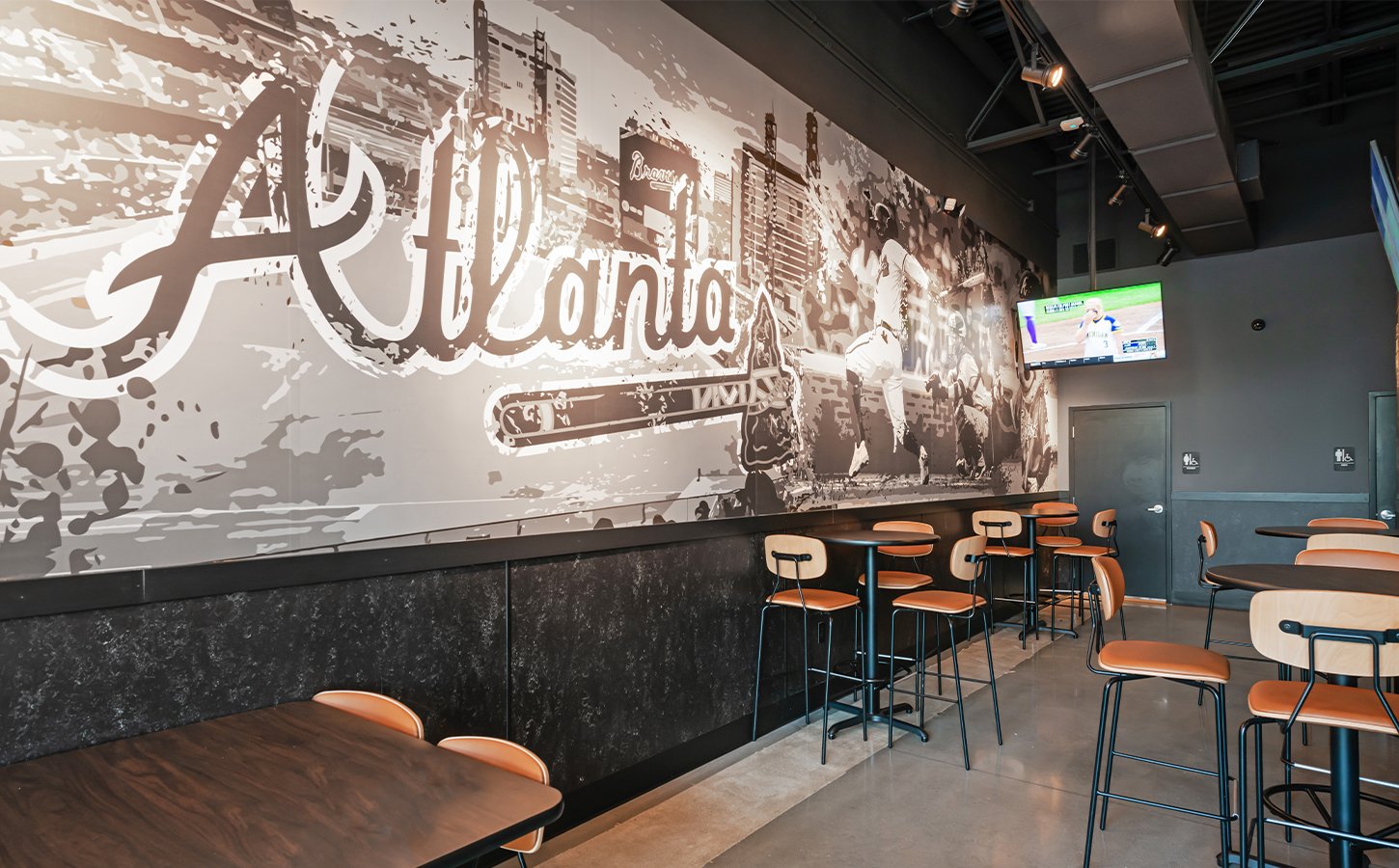
Because the location in Sandy Springs, GA was near Truist Park, home of the Atlanta Braves, a baseball theme was adopted, thereby connecting the smaller space with the sports vibe of the larger, Buffalo Wild Wings restaurants. The finishes and décor were similar to a typical Buffalo Wild Wings, but an industrial look also suggested a vendor inside a ballpark.
Obviously, details matter. You answer these questions and consider potential specific merchandising adjacencies. Savvy store designers create specific processes and flexible store zones that provide pathways to answer these questions with print and digital displays, as well as potentially hosting or supporting community gatherings and events.
The store becomes not just a point of transaction, but a place with an authentic point of view, one that understands its role in the community it serves.
Localization as part of brand identity
Strong localization doesn’t dilute brand identity. It strengthens brand authenticity and customer connection. They see your logo while traveling and think of their hometown. And then do a U-turn and go shopping.
Of course, there will be skeptics, and a few missed details here and there could fuel backlash, particularly on social media. Dealing with such issues and creating blueprints for reacting and course correcting or even acknowledging mistakes should be part of your overall retail and localization strategy.
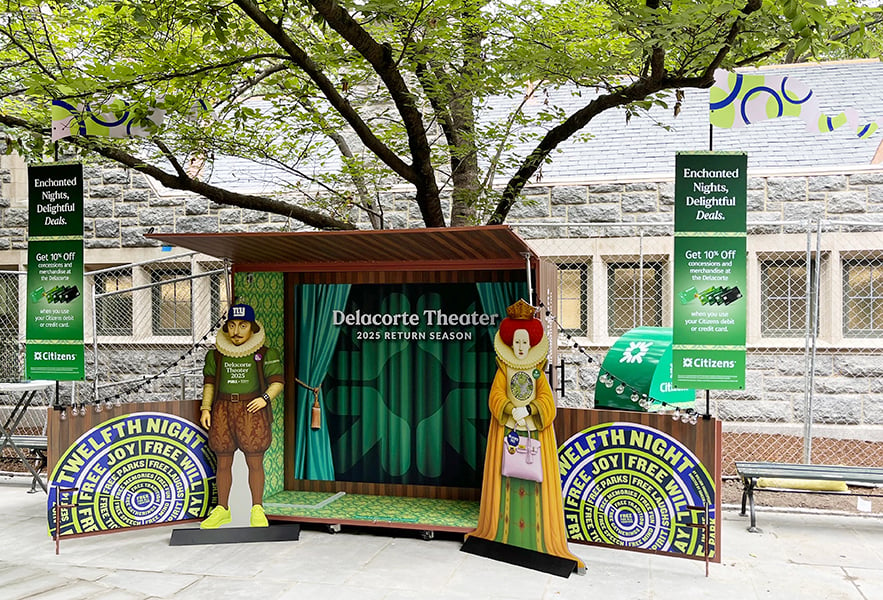 The Citizens brand activation with The Public Theater for Free Shakespeare in the Park drew an enthusiastic crowd. The fully mobile, co-branded outdoor unit popped open to reveal a ready-to-go photo moment—complete with a few familiar Elizabethan characters cleverly disguised as New Yorkers.
That, in fact, is part of your authenticity, which comes from consistency in brand values paired with flexibility in brand expression. A sincere focus on improving community engagement pays off in many ways, including your associate experience. Their buy-in and involvement in localization efforts – as they are most likely local themselves – elevate them to brand ambassadors, as loyal, engaged employees are great marketers for your stores.
When a brand’s purpose, tone and standards remain clear but are expressed through locally relevant materials, layouts and narratives, the brand feels more human-centric rather than manufactured and sales obsessed. That tells customers, “We know who we are and we know where we are.”
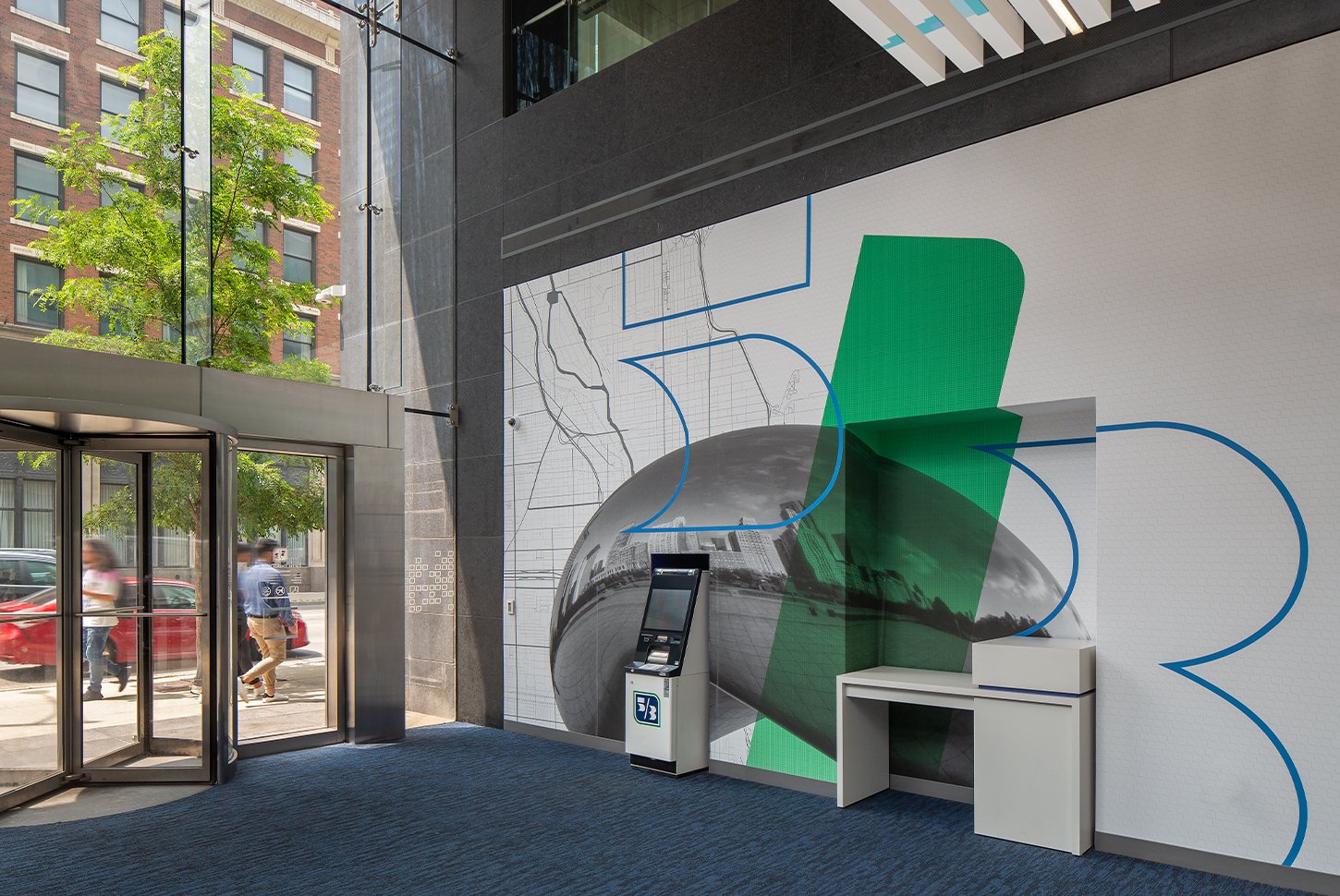
Fifth Third Bank wanted a dynamic, customer-centric banking experience within its refreshed branches, one that is aesthetically pleasing, purposeful and flexible. Miller Zell's end-to-end services provide clients the customized expertise they need to optimize their branded environments, meeting both budgets and deadlines.
Scalable retail design systems
The challenge, of course, is scale, which in many ways challenges the idea that localization is attainable for hundreds or thousands of locations, particularly in terms of authenticity.
Retailers with national footprints can’t afford to reinvent every store from scratch. That’s why your localization plans are built into your store development system, not layered on at the end. Your store designs lead with core attributes, such as POS systems, back-of-house logistics and specific merchandise fixtures. Then you provide flexibility for 10% to 20% of your remaining space.
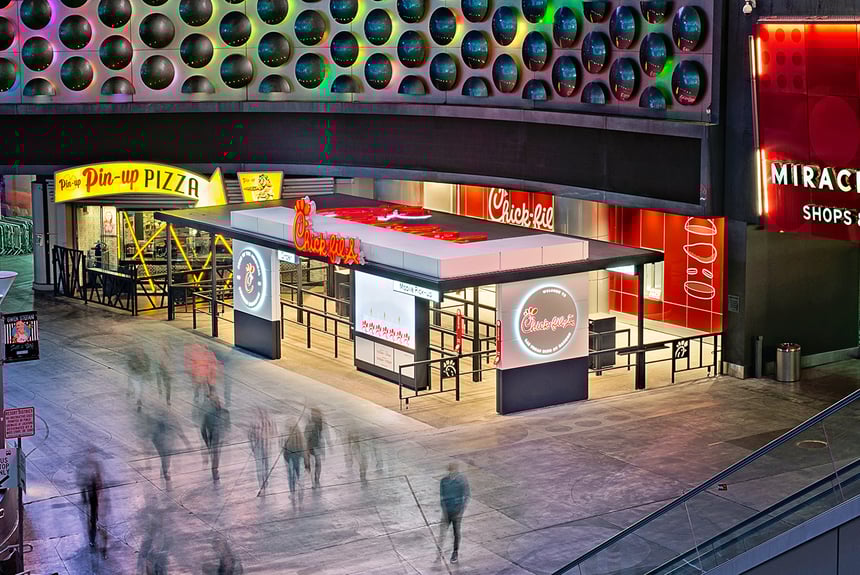
Designed to stand out in a high-traffic area on the Las Vegas strip. The signage communicated both brand and food offerings, providing clear menu information
for customers both loyal and those unfamiliar with the Chick-fil-A brand. Exterior Design: Miller Zell Design Team in collaboration with Chick-Fil-A Internal Design Team; Architect: CRHO; Photography by Victoria Jones Photography.
Smart retailers know scaling localization efforts require an end-to-end focus, starting with design and not even finishing after installation because you monitor, tweak and improve each store’s localization as you go.
You start by creating modular, scalable systems and templates that allow for variation within clear branding and rollout guardrails. This includes flexible fixture systems, adaptable graphic zones and defined “local moments” within the store where market-specific content can live without disrupting operations or brand consistency.
As with all things brick-and-mortar retail, data collection and interpretation also play a critical role. Localization strategies should be informed by customer behavior, regional demographics and cultural nuances, not assumptions. Part of that is learning as you go.
“Smart retailers know scaling localization efforts require an end-to-end focus, starting with design and not even finishing after installation because you monitor, tweak and improve each store's localization as you go.”
And now we’ll just say it: Partnering with experienced design and program management teams that understand both brand systems and on-the-ground execution helps retailers translate insights into environments that can roll out efficiently across large markets.
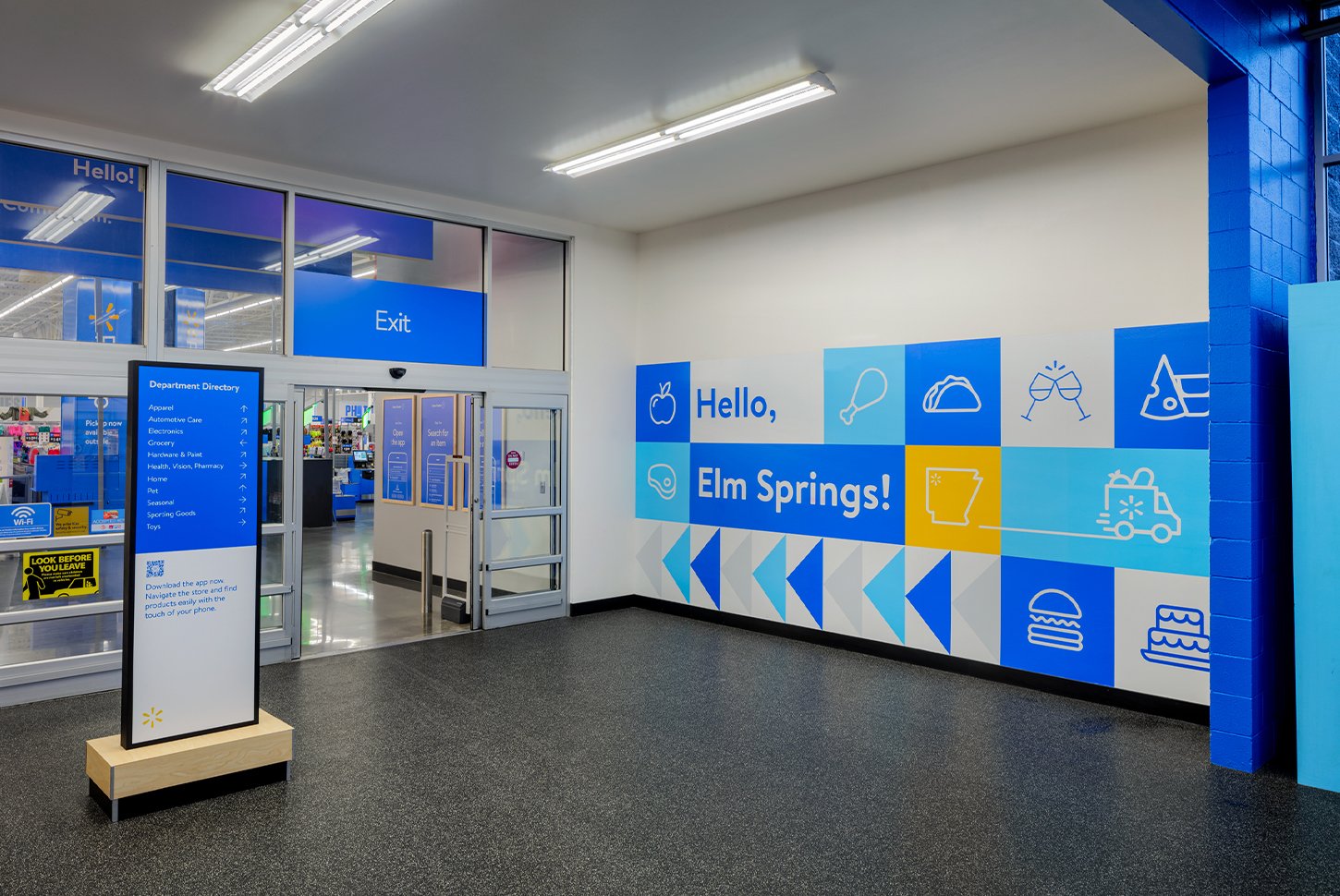
Walmart wanted to improve its wayfinding, branding and its interior signage and displays. Miller Zell helped value engineer the design so it could be scaled and rolled out. Walmart located in Bentonville, Arkansas.
And, yes, we know localization circles back to ROI
The C-suite objection to localization is typically cost and speed. The answer is not total customization of a fleet of unique stores but creating a scalable framework that lives within your store development system.
Localization should be part of your retail strategy. And, ultimately, it’s not about warm-and-cuddly sentimentality. It’s about increasing revenue and spurring growth, as all retail strategies are.
So, saying that true localization should be part of your store development system isn’t about singing “Kum ba yah” in the parking lot after shopping (unless the locals do that). It’s about elevating your store from a cookie-cutter product distribution center to a branded community hub that attracts and maintains customer loyalty.
When your brand enters a neighborhood, your store shouldn’t merely say to customers, “We are here.” It should ask, “How can we help?”
By incorporating localization into your store design and execution system rather than treating it as a superficial add-on, you create a national fleet that feels personal to every zip code.