








Prefer listening? Press play above to listen on the go.
This audio is auto-generated. Please let us know if you have feedback.
Retailers looking to evolve and upgrade hundreds or thousands of stores face no shortage of ideas and “solutions.”
AI and omnichannel advancements, upgraded fixtures, experiential features, refreshed materials, enhanced merchandising and a range of localized demands pile up on one side, while diverse, complex and always changing customer wants and needs stand impatiently on the other.
In the middle? You. And your team. And your brand.
Further, complexity can paralyze a process that needs to be agile. Deciding where to start can feel overwhelming and laden with risk, and then there is a long list of process boxes to check, not to mention bureaucracy and siloed responsibilities within your organization.
The challenge isn’t finding more ways to improve stores. It’s identifying which improvements will deliver the greatest value across the entire store network.
Retailers need a process to distinguish between essential improvements, nice-to-have ideas and shiny objects that don’t deliver ROI. And make these distinctions before an overflowing wish list turns into an expensive, complicated, inefficient rollout.
1. Discover, diagnose, seek value for stores and customers
2. Evaluate customer impact and operational reality together
3. Define store frameworks and separate essentials from extras
4. Test, refine and roll out with purpose
5. Make simplicity a competitive advantage
6. Bring in a partner who knows what matters
 Discover, diagnose, seek value for stores and customers
The process begins with a thorough discovery and diagnostic process for problems, friction and inefficiencies that can be eliminated or improved.
- How do we make the customer experience better?
- How do we increase brand loyalty?
- How do we make the associate experience better?
- How do we make store operations better?
- Are there opportunities to increase basket size around all paths to purchase?
- Do our answers above provide measurable value and ROI?
Every store improvement should begin with a fundamental, two-sided question: Will this make the shopping experience meaningfully better and provide our brand real value?
If you ask AI about this — and surely you already have — it will provide pithy, familiar answers about the customer experience. Many of those are critically important, but you already know that.
The precise and efficient intertwining of business objectives (read: revenue increases) with the customer experience is the Holy Grail of your store development process.
The complexity is the overwhelming number of decisions you must make and initiatives you start when evolving your store fleet.
 Evaluate customer impact and operational reality together
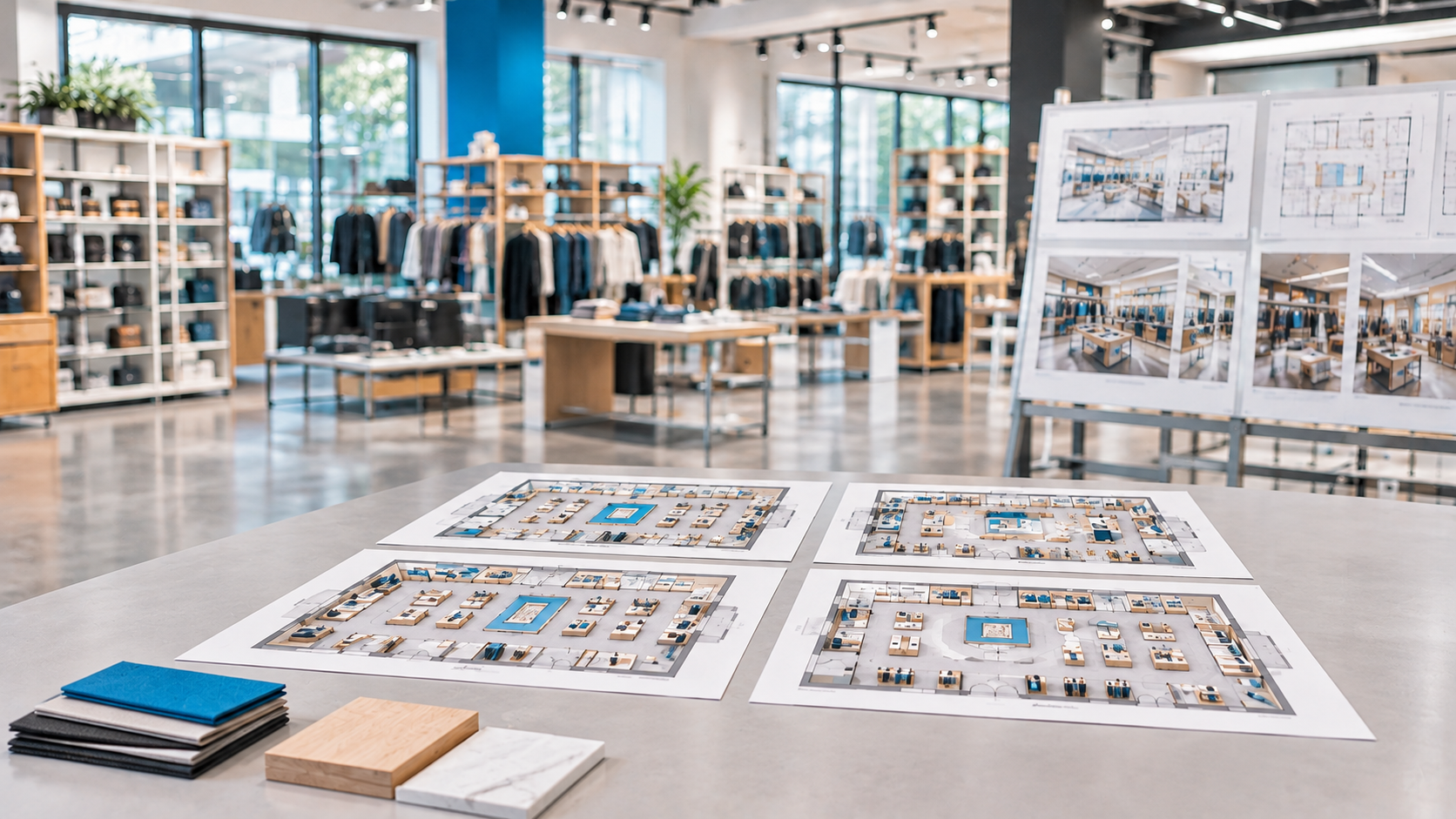
The best improvements serve customers, associates and business objectives. Before a store refresh or redesign begins in earnest, evaluate each idea against a common set of questions that revisit your discovery/diagnostic process:
- Customer impact: Does it address a frequent or consequential frustration?
- Associate experience: Does it make service easier or add steps to an already busy day?
- Fleet applicability: Can it work or be adapted across different footprints and formats?
- Cost and maintenance: What will it require to install, operate and update?
- Execution risk: Does it depend on technology, construction or approvals that could delay the program?
At Miller Zell, we lean into a term: “feasibility.” It’s about understanding what works and what doesn’t.
We know. It’s not as fun or dramatic as “innovation,” but it is a useful part of our process that provides guardrails protecting high-performance initiatives and resisting so-called “solutions” that become expensive failures.
Not to make light of retail design dreams, but self-driving flying carpets would solve many customer wayfinding challenges — only they aren’t feasible. At least not yet. This sounds flippant, but more than a few times we’ve walked clients back from design ideas that embraced new technology, complex light fixtures and high-end materials that are not only expensive but also difficult to ship, install and maintain. Moreover, it often turns out they lack usefulness and durability, flaws that sometimes find their way onto social media at your brand’s expense.
An improvement doesn’t have to fit every store to be worthwhile. But retailers should know where it belongs and what adaptations it needs before committing to scale.
 Define store frameworks and separate essentials from extras
Not every feasible, worthwhile idea will end up as part of your next rollout. Cost, timelines and complexity need to be discussed and evaluated during an open process among various teams, from strategy and design to logistics and installation.
Retailers benefit from evaluating potential improvements against a consistent set of criteria: customer impact, operational benefit, scalability, cost, implementation complexity and long-term value.
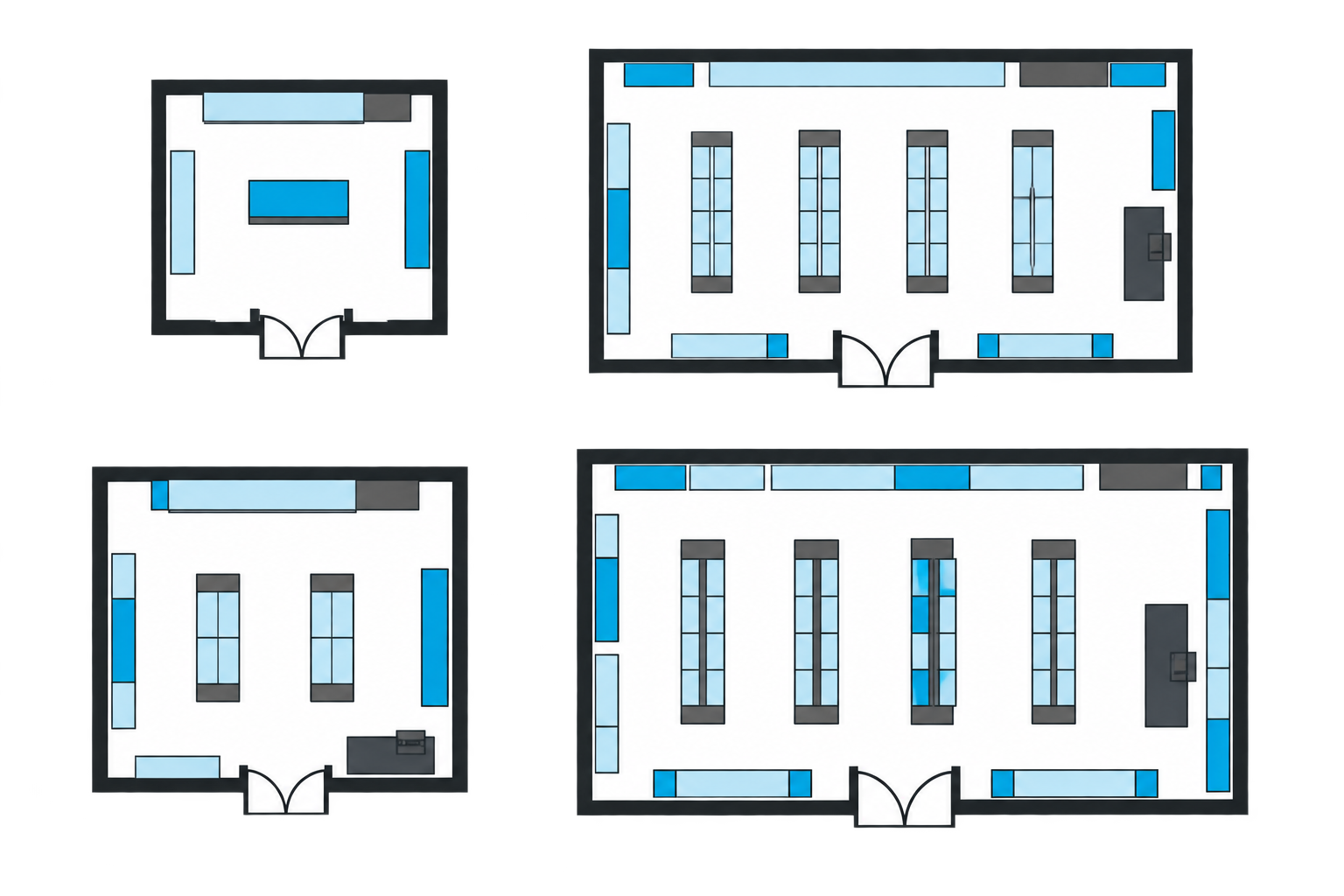
Some investments are foundational, addressing fundamental issues across the store network. Others may be valuable in specific markets, formats or locations but unnecessary as system-wide requirements. Still others may be interesting concepts that, unfortunately, introduce cost and complexity without delivering measurable returns.
For example, updated and clear category signage is likely a network-wide priority, while an interactive product demonstration might be valuable in larger locations where customers need more guidance. Neither designation requires every store to look identical.
This approach also makes trade-offs visible. If a proposed feature consumes space needed for pickup or replenishment, teams can decide whether its customer benefits justify the operational cost.
 Test, refine and roll out with purpose
Prioritizing these opportunities helps retailers build a phased investment strategy as a familiar, repeatable process that keeps various stakeholders aligned, both internal teams and vendor partners. Essential improvements can move forward first, while secondary enhancements can be prototyped and tested, refined and/or introduced with confidence when conditions warrant.
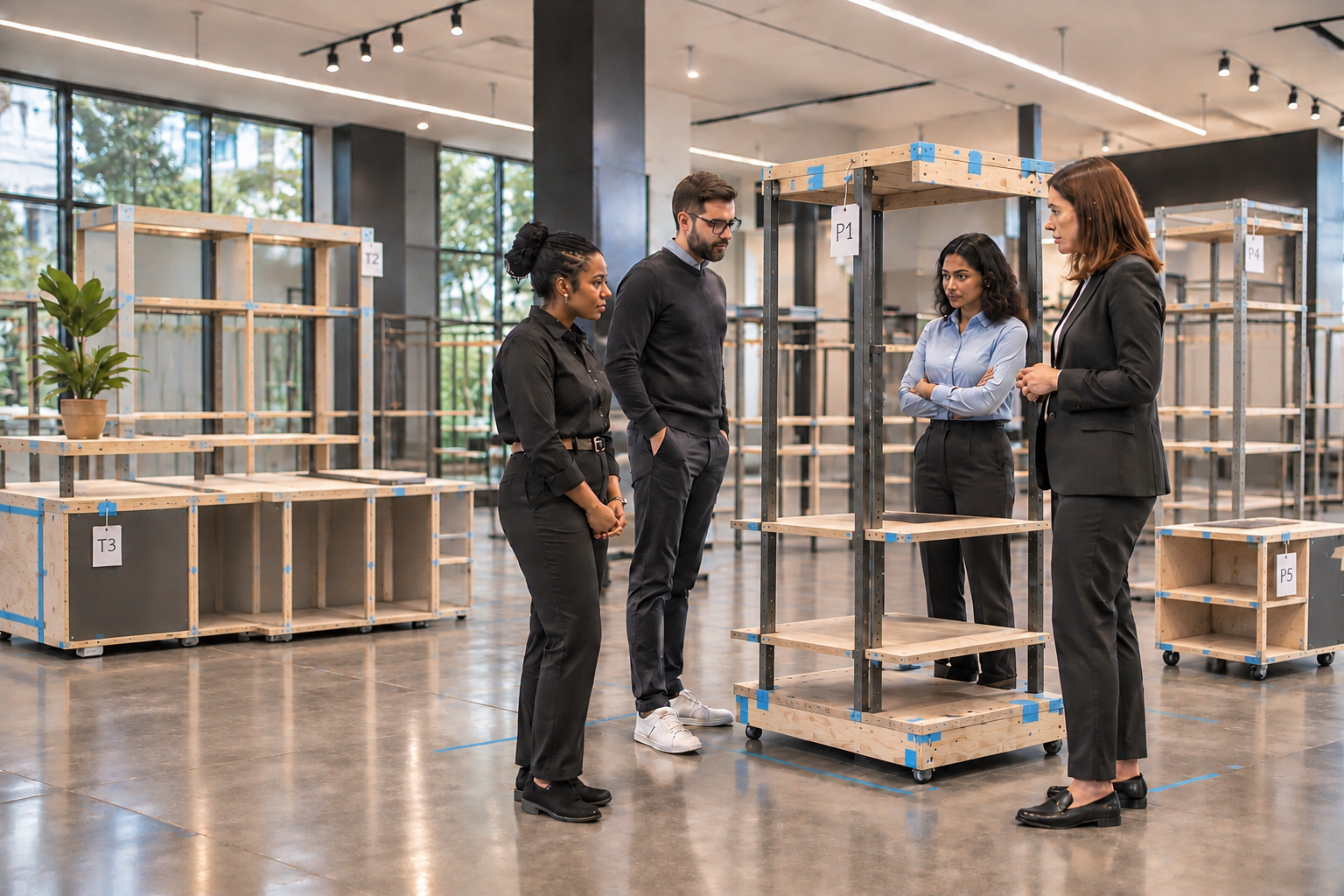
Prototype improvements in stores that reflect the variety of your fleet. Observe customers and associates using them, then adjust the design before ordering at scale.
Plan production, installation and ongoing maintenance alongside the creative work. Establish clear standards and an exception process so local adaptations don’t become case-by-case reinventions.
 Make simplicity a competitive advantage
At scale, even small complications multiply. You don’t want that.
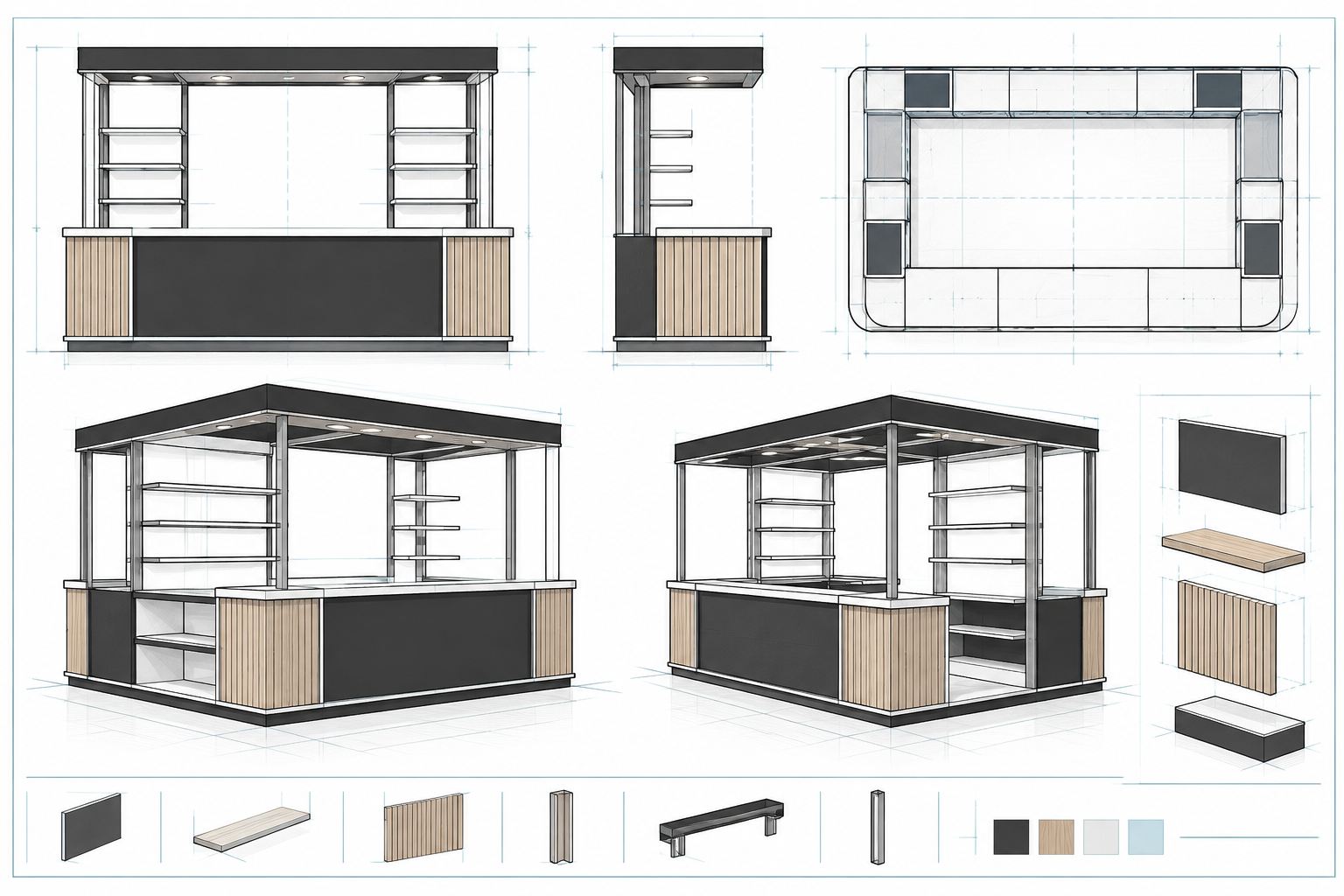
A custom fixture, unique material or additional installation requirements may seem manageable in one location but become a significant challenge across hundreds or thousands of stores.
Standardized components, adaptable design systems, proven materials and repeatable execution processes help reduce complexity without sacrificing creativity. The objective is not to restrain innovation but to make innovation practical, scalable and sustainable.
By creating a clear framework for evaluating store changes, you simplify making decisions that can scale across your diverse store fleet.
 Bring in a partner who knows what matters
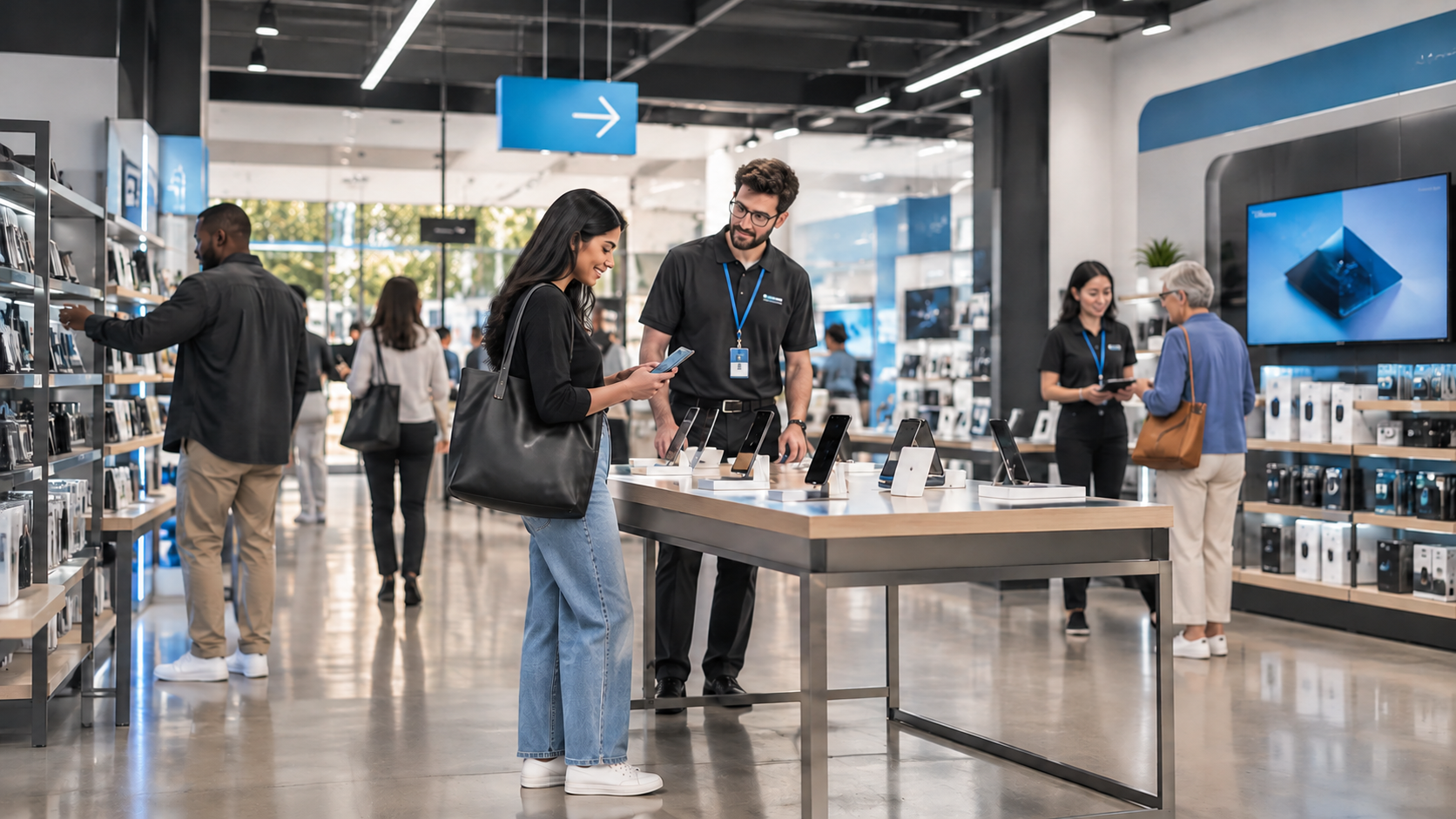
Miller Zell helps you manage complexity, achieve retail goals and build brand loyalty. We help you confidently manage the store development process from discovery, strategy and design through production and rollout.
Our value to our client partners is both end to end, from concept to completion, and wherever we begin a collaboration on the store development process.
The goal is a manageable plan that puts the most useful improvements first, respects operational realities and helps every investment earn its place in the store.
Better retail decisions aren’t necessarily about doing more. They’re about knowing what matters most and making those choices work together.
Retailers that prioritize meaningful customer improvements while respecting operational realities can create better experiences, protect their investments and move their entire store network forward without unnecessary complexity.
We’d love to chat about reducing your store development complexity.