.png?width=170&height=44&name=MillerZell_Outline_Black_NO-Tagline_CLEAN-01%20(1).png "Miller Zell")














The Holiday Season is busy, but it’s also when every retailer looks ahead to the new year and contemplates “what’s next?” for their diverse store fleet and online customer touchpoints.
Some might be leaning toward retrenchment due to economic and revenue worries. Others are anxious to embrace what’s new as quickly as possible to not get left behind.
We get it. But take a deep breath and recognize amid this stress and uncertainty that the goals for branded environments and their development remain the same, year after year.
Store design projects balance innovation with measurable ROI
Your industry moves quickly. It’s important to keep up by understanding new design trends and what is most relevant to upgrading your customer experiences every year. But what is truly valuable?
The answer is clear, strategic thinking that will ensure your stores evolve in sync with your shoppers’ wants and needs, meeting them where they are today and where they are headed in the months and years ahead.
So here are five focuses for retail design and store development in 2026. And three that shouldn’t be terribly high on your list.
1. Stop talking about AI and start using it
3. Hybrid zones and "third-place hubs"
4. Sustainability as a business decision
6. Trends that should inspire a "neh"
1. Stop talking about AI and start using it
Yes, this blog post, not written by AI, is enjoying all those CIOs across the country nodding their heads.
Over the next decade, AI will be woven into myriad business, personal and cultural experiences. There will be hiccups and controversies and luddites running through fields of grass unleashing barbaric yawps… on TikTok, of course… but it is already important and its impact will only grow, just like smartphones and the internet.
With retail, it will guide smarter decisions, more efficient operations and touch the customer experience in every way. But it’s not plug-and-play. It needs to be guided into integration and monitored consistently, particularly during early adoption.
Some notable AI uses include:
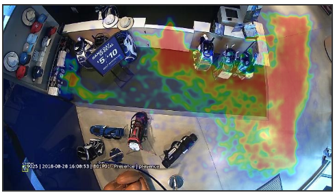

Store layout analytics: Heatmaps and behavioral analytics provide models that transform store design into art powered by science. They help retailers to continually refine product adjacencies, improve traffic flow and increase revenue per square foot based on real shopper habits.

Supply chain, inventory, on-shelf management: This includes forecasting demand and managing supply with granular accuracy, reducing stockouts/overstocks while tightening and focusing working capital. Empty shelves and misplaced items? Replenishment triggered in real time.
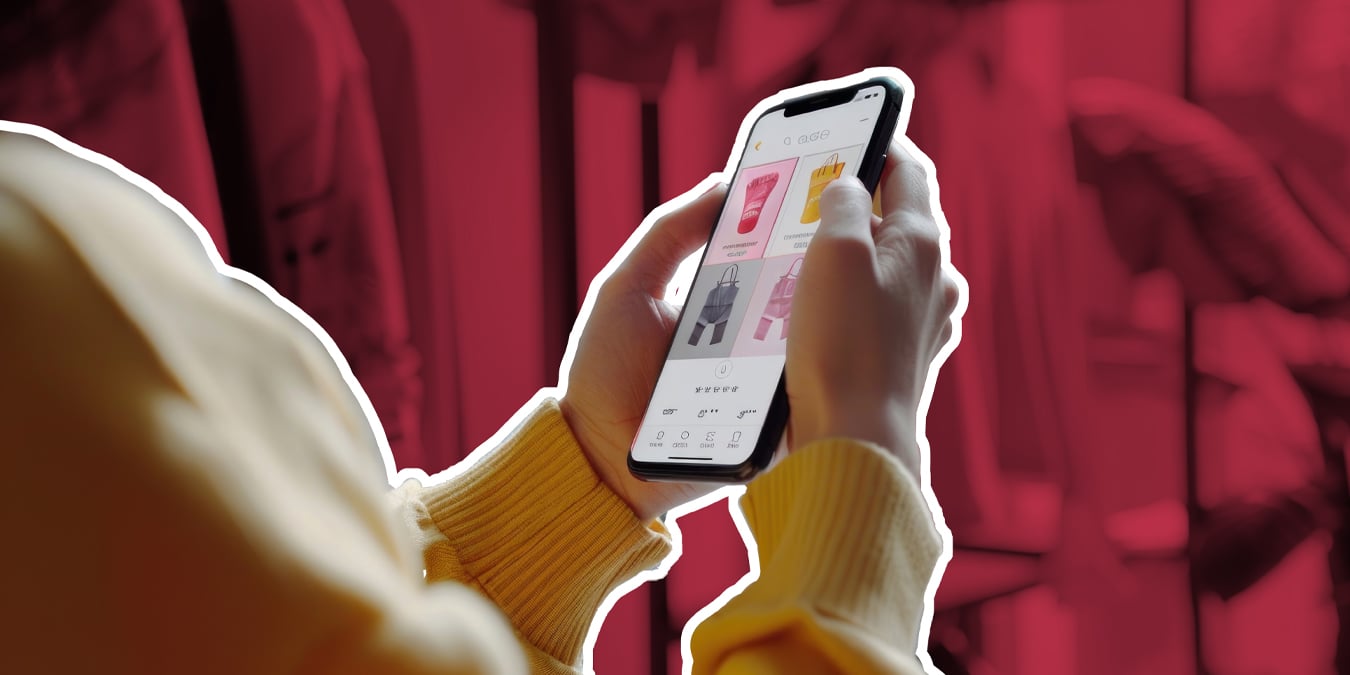
Personalized customer engagement: Customers can opt into AI communication and analysis of their wants, needs and trends and receive recommendations and special offers that motivate them to be even more loyal to your stores. This isn’t about three daily and mostly unread emails. It includes developing an understanding of when to engage and when to go quiet.
Automated product attribution: Systems can generate detailed product attributes for faster onboarding, better online search accuracy and improved in-store and online merchandising.
Fraud prevention and loss reduction: AI can identify suspicious transactions, return fraud and shrink patterns across stores more quickly and accurately than manual auditing.
Will AI integration require updates to old operating models, specialized associate hiring, new work designations and expanded security focuses? Absolutely. New technology and work patterns bring business change.
But, outside of the annual hand-wringing over the economy, AI implementation focused on ROI will be the most significant business story of 2026.
2. Modular store systems win over static floor plans
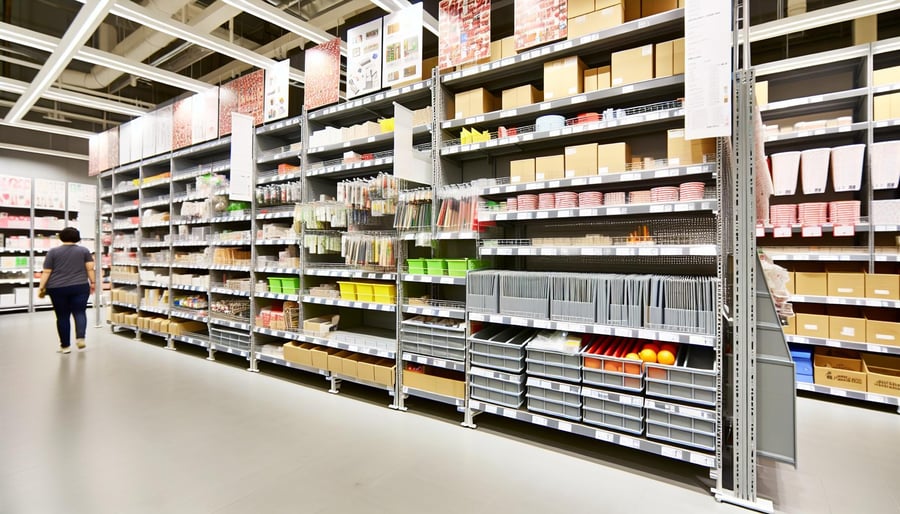
Flexibility with your fixture systems and floor plans means you can surprise and delight customers with new experiences on a regular basis with minimal staff demands and store disruption. That’s a competitive advantage that provides ROI.
It’s not just about being able to quickly make layout and merchandising changes for seasonal needs, community events or new products. It’s also about testing and experimenting based on specific store footprints, shopper types and different environments within your store fleet. Engaged associates can offer impressions and adjustments that can provide value.
“Modularity falls short when fixture durability isn't emphasized. Make sure to investigate that during store design prototyping.”
Oh, and the AI store analytics noted above? Yep. AI plus modular systems mean more inputs, more data, better customer experiences and more educated pathways to revenue bumps.
Key point: Modularity falls short when fixture durability isn’t emphasized. Make sure to investigate that during store design prototyping.
3. Hybrid zones and “third-place hubs”
First off, don’t lump BOPIS areas into the idea of “third-place hubs” and experimental floor space. If you offer BOPIS — and you should — your BOPIS areas need to be strategically designed and consistently upgraded and refreshed to match your evolving customers’ BOPIS wants and needs. As in: Just like every other part of your stores.
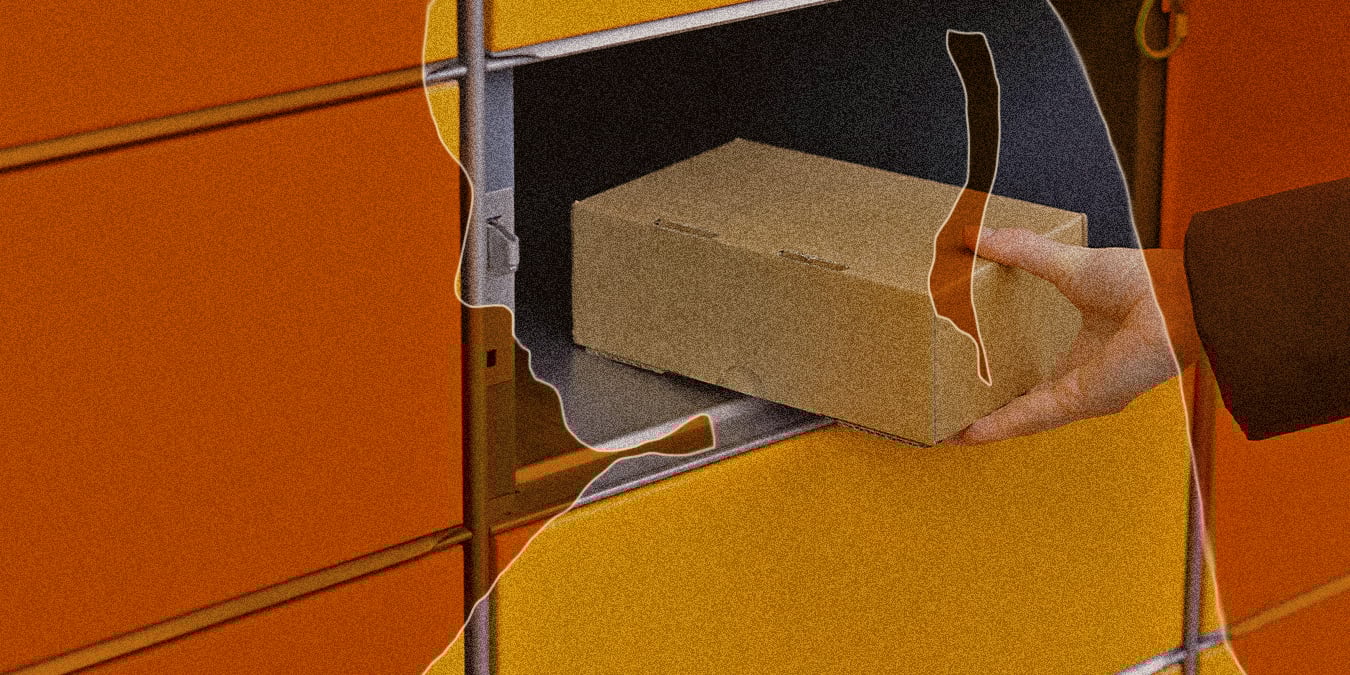
BOPIS (Buy Online, Pick Up In-Store) is a revenue driver for retailers. And it’s only going to get bigger and, of course, more competitive. Read more about Optimizing Speed, Customer Satisfaction with BOPIS here.
Hybrid zones or true “third-place hubs” align with upgrading your store interiors with modular store systems. These are adaptable spaces that can serve testing/temporary purposes or non-selling activities. Think local events, product showcases, alternative checkout areas, product-use classes, repair stations, maker studios or lounge areas where you might (or might not) serve food and drinks.
This isn’t about small afterthought spaces. It’s about flexibility and experimentation that could become loyalty engines that turn foot traffic into brand advocacy.
4. Sustainability as a business decision
Sustainability in retail design, program execution and day-to-day operations is a cost-control strategy that upgrades operational intelligence and supports brand loyalty.
We noted above the importance of modular store systems while also emphasizing the need for durability. Seeking store environment elements that last longer provide an offset to potentially higher up-front costs. It’s not just about material selection. Reducing replacement frequency reduces store disruptions and reduces carbon footprints.
 The key is to recognize that sustainability and efficiency share the same business DNA. Both are about designing systems that do more with less. Read more about how to Cultivate the Hidden ROI of Sustainable Retail Rollouts here.
Going forward, increased use of durable, recyclable materials, low-energy lighting and designs optimized for efficient logistics and reduced waste will be as much about creating avenues for cost savings as donning a brand halo, which, by the way, is not a bad thing either.
Two positives will make a bigger positive in 2026 and beyond.
5. Be clean… yes, that’s a retail trend that matters
The 2025 NACS (National Association of Convenience Stores) Show in October touched a lot of interesting bases about c-store design that focused on increasing inside operating profits.
It also inspired us to type:
Everyone who attended NACS knows that clean bathrooms are crucial for c-stores. Hopefully, they know that consistent branding and brand communication are as well.
Funny thing: They’re related. Both demonstrate brand pride, attention to detail and a customer focus. And both can foster brand loyalty.
Really. Just type into Google, “What is Buc-ee’s known for?” The top-of-page AI response is, “Buc-ee’s is known for its giant ‘travel centers’ that feature exceptionally clean restrooms…” And every accompanying image or link includes that smiling, buck-toothed beaver wearing a red baseball cap.
Let’s belabor this with a yucky pause. Think about the last time you walked into a… er, less-than-pleasant public restroom at a retailer. How did that feel? Hmm.
It’s a sniff test that’s relevant to the customer experience, now and forever.
… And trends that should inspire a “neh”
Is it a “hard question” to ask if something in your stores achieves its purpose? It shouldn’t be. Nor should store managers be ignored when they question the efficacy, associate burden or inefficient customer distraction of an element that is part of a new corporate mandated store refresh.
The key thing? The ability to learn from mistakes and then triangulate what might be an alternative and better solution.
In that line… a “neh” goes to:
That flashy, theatrical, tech-y thing that loses engagement after a month
Flagship stores in Manhattan are great places to experiment with next-gen technology and maybe even giant kinetic sculptures or VR waterfalls. But scaling to your store fleet? Likely no. And those Instagram moments are exactly that — moments — and then the audience moves on, and your stores suffer from spaces that generate little to no value.
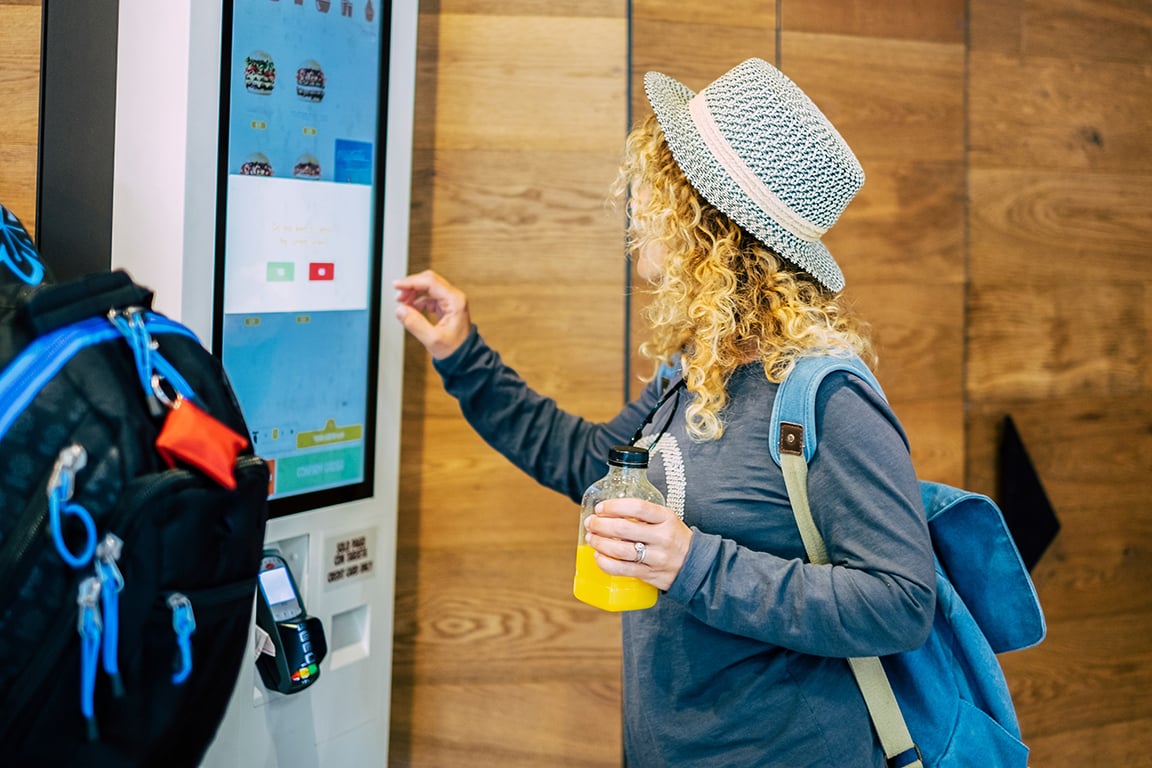
Some failures may be surprising. Those standalone, self-service touchscreen kiosks? There were a lot of reasons years ago to believe customers would completely embrace them, if with more than a little associate support. But low-to-middling engagement and satisfaction rates are sometimes an issue. And how many times have you seen retail kiosks malfunctioning or even simply turned off, littering aisle or entryway? Many customers prefer the touchscreen in their pockets.
If it’s expensive to build, scale and maintain, it needs to provide tangible and consistent value and not just for a few months (or weeks) of novelty.
Overdone authenticity is inauthentic
Don’t allow politics from any direction to seep into your marketing slogans or store décor. Don’t overdo your localization celebrations or your statements on the environment and sustainability. Don’t overhype your “selfie spots.” Don’t force associates to harass customers with verbose and faux hospitality.
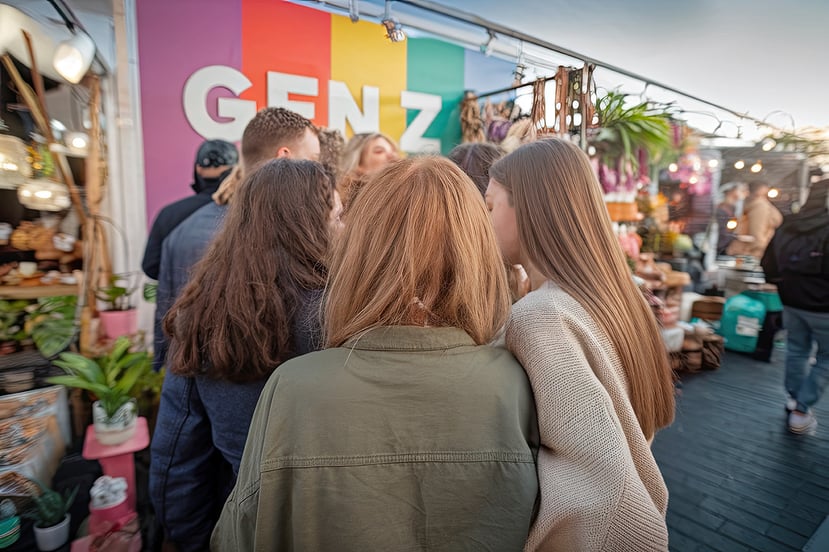
Both your old and young customers bump into these efforts and then grouse about them, if often from different directions and on different social media platforms. They then label your brand and stores as “inauthentic” or several other negative terms we’ll take a pass on here.
Want social media praise? Provide diverse customers the pathways to the specific experiences they are seeking when they enter your stores, knowing in advance that the same shopper can be very different on a Wednesday and a Saturday.
Architecture that limits flexibility
While the architectural structure of your existing stores is often an established fact, it’s good to avoid adding heavy millwork and permanent partition walls that limit interior flexibility.
This isn’t typically a month-to-month or even annual concern, but it is something that more than a few retail designers will provide as a challenge while they are trying to overcome rigid floor plans. Further, a lot of retailers make a major renovation decision during a rebranding or brand refresh, upon which they then want to specifically switch course away from two years down the road.
In other words, you get no ROI from an old project and now you’re left with an expensive solution to move in another direction.
The retail industry is always moving quickly, but not every trend deserves your budget inclusion.
Bottom line: 2026 will reward retailers who design for agility, measurability and efficiency, not spectacle. The best stores will be the ones that evolve quickly, cost less to operate and deliver meaningful shopper impact every day.
Next Step?
Are you currently reviewing plans for a retail design project? Would you like Miller Zell to review your design drafts and fixture lists and identify which items might be rigid liabilities versus modular assets?