.png?width=170&height=44&name=MillerZell_Outline_Black_NO-Tagline_CLEAN-01%20(1).png "Miller Zell")














Prefer listening? Press play above to listen on the go.
This audio is auto-generated. Please let us know if you have feedback.
What’s the difference between retail store design and retail store development?
One is an important creative retail starting point. The other is a holistic process that helps retailers succeed at scale, with that original design optimized for maximum impact, engagement and ROI.
Retailers need to excel at both to elevate their customer and associate experiences above their competition.
In this blog, we'll discuss:
- Pairing store design and operational excellence
-
From concept to completion, store development as an end-to-end process
Pairing store design and operational excellence
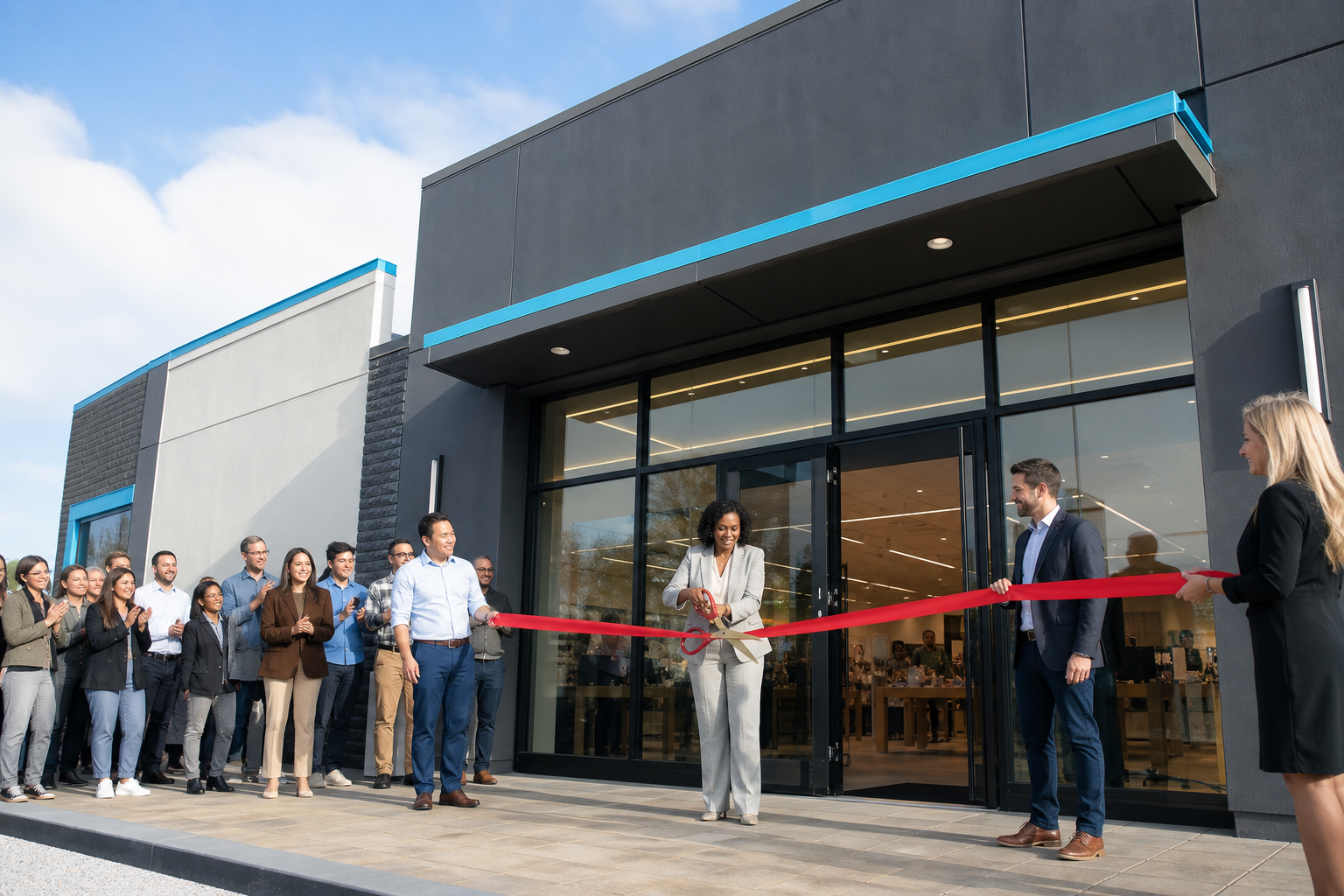
For retailers overseeing hundreds or thousands of locations, operational excellence for store development is about ensuring that strategically conceived store design is executed precisely and efficiently at scale across your entire store fleet.
Scale is the big challenge. Your team creates a great design, but you can’t quickly and easily superimpose that design on a large number of stores in various regions and locations with a wide variety of footprints. And the same footprint or square footage in Miami won’t follow the same execution path as a store in suburban Wisconsin.
“When retail rollout operations fail, the design fails.”
An expectation for simple, cookie-cutter solutions for diverse footprints, specific regional needs and operational complexities is going to lead to a lack of brand cohesion, stalled or incomplete installations and budget overruns — not to mention high stress and perhaps finger pointing for overwhelmed stakeholders.
When retail rollout operations fail, the design fails. And often the design that looked good on paper and screens ends up requiring significant reworking throughout the process. That happens when you don’t design for execution.
Successful design, execution and rollout lean hard into an operations system that is innovative but also purposeful, adaptable and replicable.

Understanding the complexity of scaled retail rollouts
Rollout operations are filtered through a variety of general contractors, regional codes, vendor capabilities and circumstances (such as weather) you don’t fully control. Operational discipline determines whether the aspirational brand experience survives intact.
Scaled refreshes for hundreds or thousands of stores could include across-the-board upgrades to interior paint, carpet, lighting, furniture and specialty/signature design components like fixtures or displays. Some locations need bigger (or smaller) investments, which require a coordination between design intent with value engineering.
A focused prototyping phase that incorporates the complexity of planning and troubleshooting along the path from design to execution is valuable. It guides the creation of tiered kits of parts that use good/better/best classifications that function as templates for consistent programming for an array of store spaces and footprints.
Along with that great design, you’ve got budgets, schedules, manufacturing and logistics needs. You’ve got vendors to coordinate and field conditions to understand and diverse installations you need to manage.
From concept to completion, store development as an end-to-end process
Retail rollouts require diverse expertise that doesn’t operate in silos. Just about every critical task overlaps another. Precise and informed communication isn’t a nice thing to have; it’s fundamental to success.
Here’s what needs to be coordinated:
-
Supply chain agility: Material availability, lead times, tariffs, freight capacity and manufacturing constraints can quickly disrupt a carefully planned rollout. Successful store development teams anticipate these risks early, identify alternate materials or suppliers when necessary and build flexibility into the program without compromising the customer experience or brand standards. Securing secondary sourcing channels and standardizing core components prevent a single delayed shipment of custom millwork from holding your budgets and schedules hostage.
-
Program management expertise: This is about a single point of contact who provides real-time visibility into every site’s status. This requires understanding your design intent, program goals, deadlines and budgets, as well as how to coordinate procurement, production, logistics and installation. Clear milestones, standardized processes, transparent reporting and rapid issue resolution allow stakeholders to see where a program stands and address problems before they become costly delays.
-
Vendor oversight and discipline: Inconsistent vendor performance is a common cause of store-to-store quality issues. Store development relies on a complex ecosystem of architects, general contractors, fixture manufacturers and technology installers. Managing those relationships requires more than negotiating cost. Operational excellence aligns vendors through unified performance metrics, clear scope boundaries and standardized quality assurance protocols. When vendors operate under centralized governance rather than isolated silos, rework and go-backs drop and field efficiency surges.
-
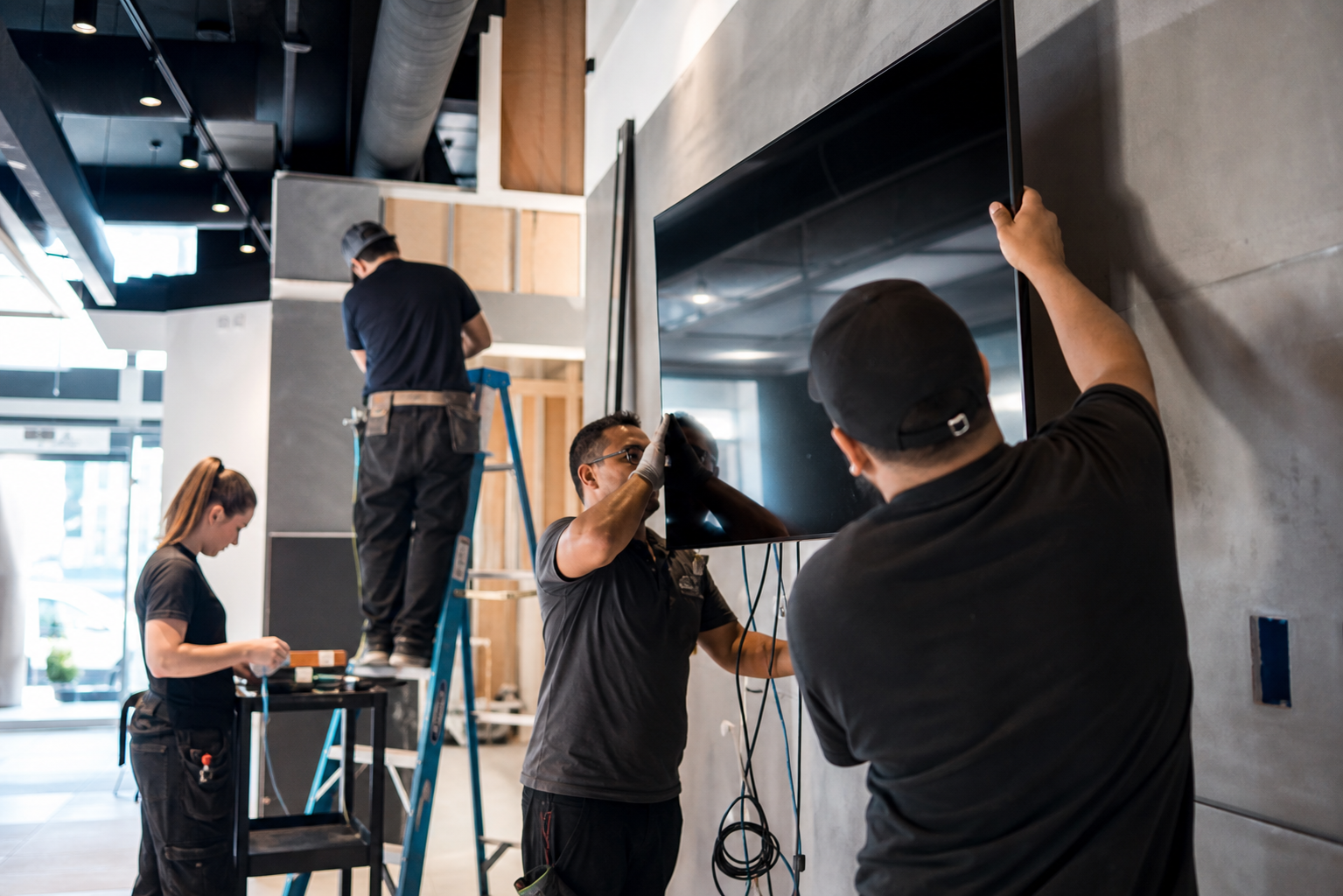
Installation efficiency and brand-right precision: Establishing installation clarity should start early in the process. Develop a detailed understanding of how components will be packaged, delivered, staged, assembled and installed while minimizing disruption to employees and customers. Kit-packing, sequencing, standardized installation procedures and thoroughly understanding IT infrastructure can dramatically improve speed and consistency. Successful programs diagnose field conditions and local permitting requirements early in the process. Poor installation management doesn’t just cause delays, it also requires rework, which erodes scheduling, budget and brand consistency in ways that rarely show up until post-opening walk-throughs reveal the issues.
The strategic payoff? Customer loyalty and ROI
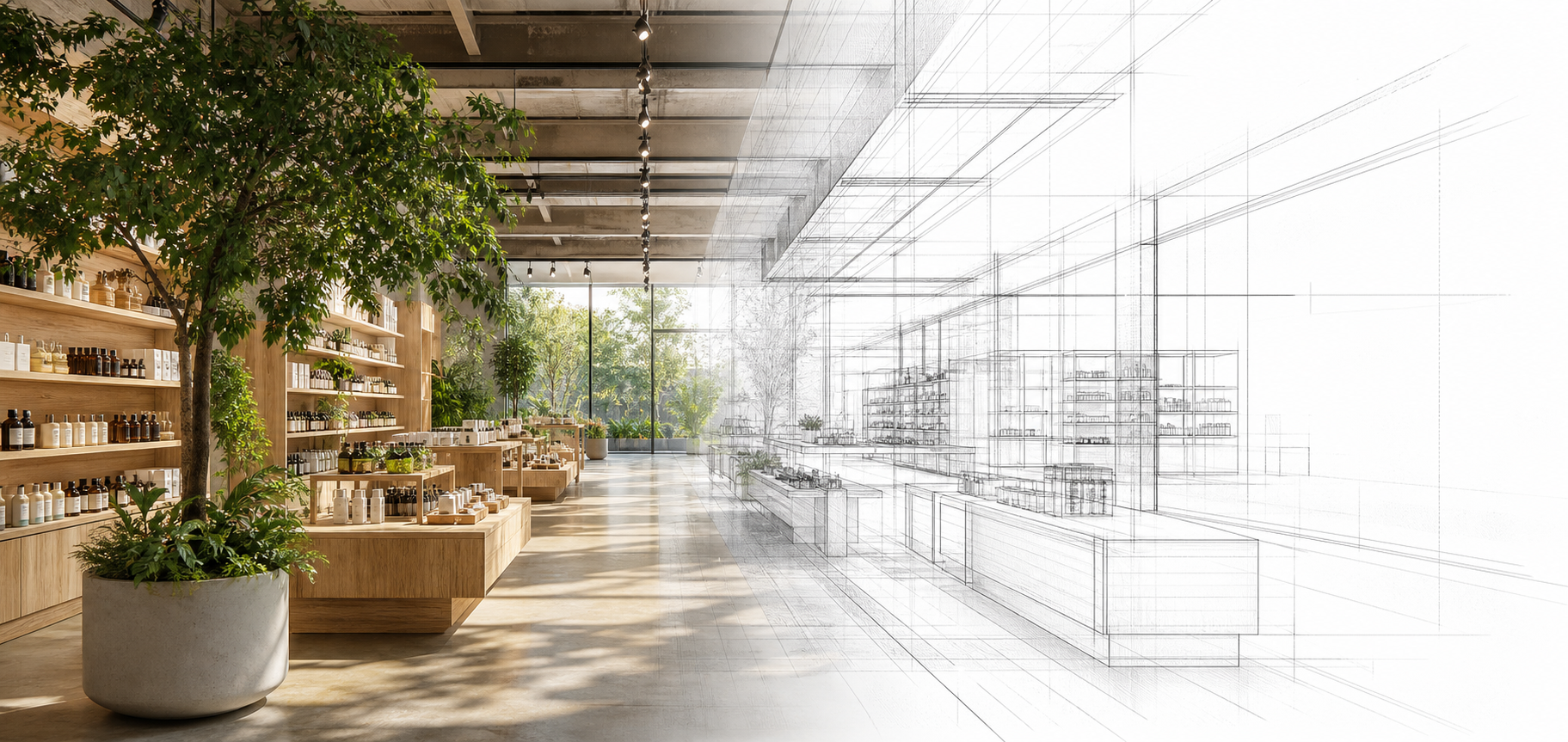
The strongest store development programs connect creativity and innovation with purposeful operational planning from day one.
Again, it’s a rejection of a siloed thinking at any point of the concept-to-completion store development process. Designers need to understand manufacturing, material costs and technological challenges. Procurement needs to know design intent and brand values. Project managers need to centralize design goals for the customer experience. And installation teams need to perceive what the design is intended to accomplish with the new store experience.

Treating store development as a disciplined operational engine yields three direct financial advantages:
- Faster revenue realization: Efficient site development cycles accelerate store revenue and return on invested capital.
- Capital efficiency: Eliminating budget overruns from rush freight, field modifications and scope creep preserves capital for further portfolio expansion.
- Brand consistency: Rigorous quality control ensures customers experience the design/brand intent, whether visiting a location in Manhattan or a regional center in the Midwest.
Operational excellence reduces risk while increasing return on investment. It protects the creative vision, accelerates deployment, controls costs and creates consistency across the store fleet. Your customers experience and value the results and become brand advocates.
Want to learn more? Go here.